
What Australian Businesses Need to Know Before Visiting Printing Shops
Discover how to get the most from printing shops for branded merchandise — covering decoration methods, MOQs, turnaround times, and more.

Written by
Amara Okafor
Branding & Customisation
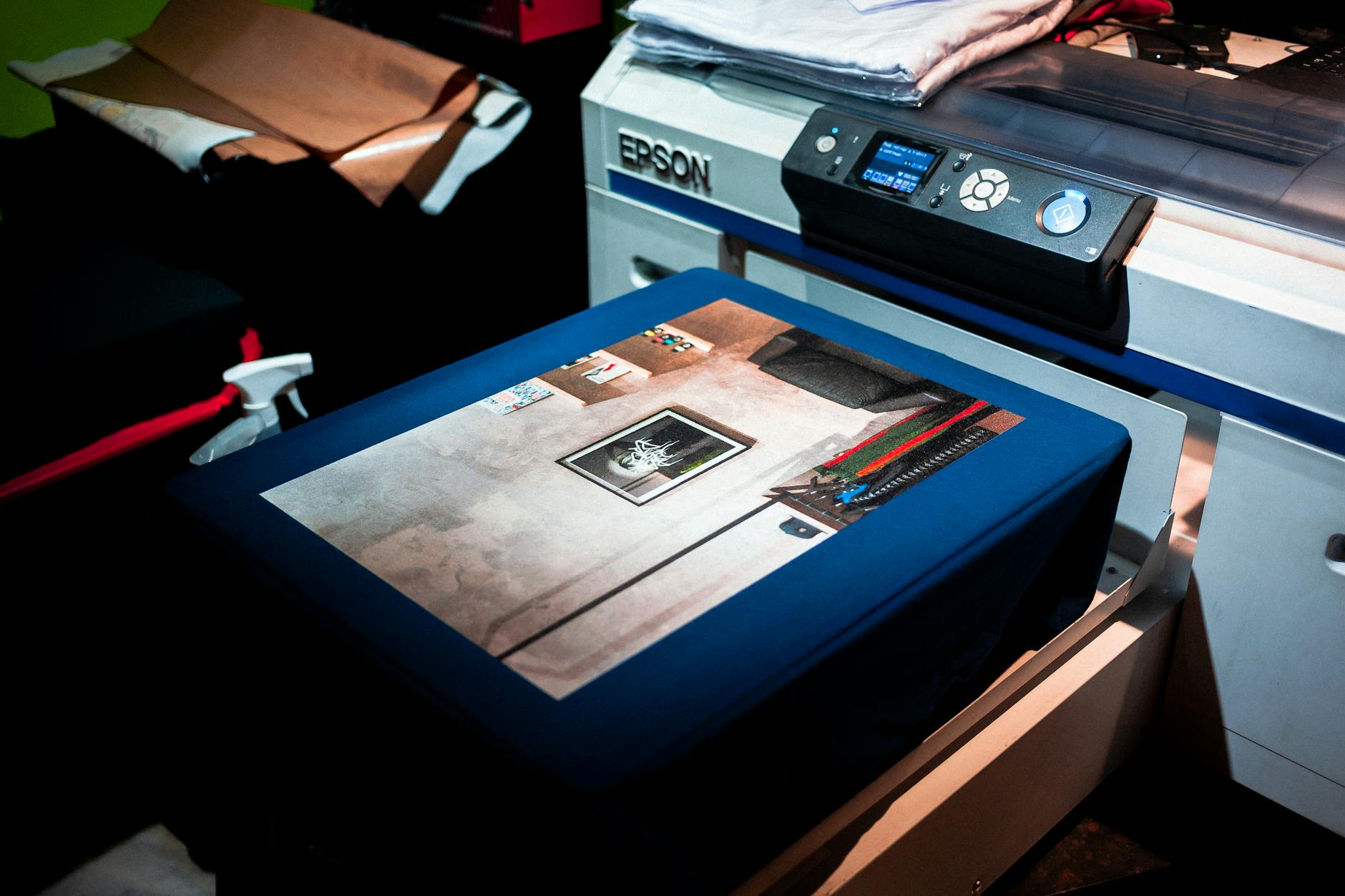
Choosing the right printing shop for your branded merchandise can feel overwhelming, especially when you’re working to a tight deadline, managing a strict budget, or simply unsure which decoration method suits your product. Whether you’re a Sydney startup ordering your first run of custom t-shirts, a Melbourne school organising sports day gear, or a Brisbane corporate team sourcing conference giveaways, understanding how printing shops operate — and what to ask before you place an order — can save you significant time, money, and frustration. This guide breaks down everything Australian businesses, schools, and organisations need to know before they get started.
What Do Printing Shops Actually Offer?
The term “printing shops” covers a remarkably wide spectrum of services. Some specialise in flat printed materials like flyers and business cards, while others focus exclusively on promotional products and branded merchandise. For organisations seeking custom-branded items — think embroidered polos, screen-printed tote bags, laser-engraved awards, or sublimated drinkware — it’s essential to seek out a supplier with genuine expertise in promotional decoration rather than a general print shop.
Most reputable promotional printing suppliers in Australia will offer a range of decoration methods, including:
- Screen printing — ideal for bulk orders of apparel and bags where one or a few flat colours are needed
- Embroidery — a premium, durable finish suited to caps, polos, and jackets
- Sublimation — perfect for all-over, full-colour designs on polyester garments and drinkware
- Pad printing — commonly used on small hard goods like pens, USB drives, and keyrings
- Laser engraving — delivers a refined, permanent mark on metal, wood, glass, and acrylic items
- Heat transfer and digital printing — flexible options for short runs or photographic artwork
Understanding which technique suits your product and artwork is half the battle. Our quality guide to laser engraving for promotional products is a great starting point if you’re considering engraved corporate gifts or awards.
How Printing Shops Price Their Services
Pricing in the promotional products world operates very differently from standard retail. Most printing shops apply a tiered pricing model — the more units you order, the lower the cost per item. This is because setup costs (like screen preparation for screen printing or digitising artwork for embroidery) are fixed regardless of quantity, so they’re spread across a larger run.
Setup Fees and Minimum Order Quantities
Setup fees are a normal part of the ordering process. A screen printing setup, for example, typically costs between $30 and $80 per colour per location. Embroidery digitising — converting your logo into a stitch file — usually runs from $50 to $100 as a one-off charge. Once your artwork is set up with a supplier, subsequent reorders are generally cheaper because the setup already exists.
Minimum order quantities (MOQs) vary widely depending on the product and decoration method. Screen-printed t-shirts often have a MOQ of around 24–50 units, while embroidered caps might start from as few as 12 pieces. Pad-printed pens can be ordered in quantities of 100 or more. If you’re ordering a small batch for a boutique event or a gift for a specific team, ask about short-run options — some suppliers cater specifically to these needs.
Our full-colour vs. single-colour printing cost comparison is worth a read if you’re weighing up artwork complexity against budget.
Budgeting Realistically
A common mistake organisations make is focusing solely on the per-unit cost and forgetting to factor in setup fees, freight, and GST. For a Perth school ordering 50 custom sports polo shirts, the unit cost might look affordable — but once you add embroidery digitising, a freight charge to Western Australia, and GST, the total can be noticeably higher than expected.
As a rough guide for 2026 budgeting:
- Branded pens (pad printed, 100 units): $1.50–$3.50 per unit
- Screen-printed t-shirts (50 units, 1 colour): $12–$22 per unit
- Embroidered polos (50 units): $25–$45 per unit
- Laser-engraved metal water bottles (50 units): $20–$40 per unit
- Custom tote bags (100 units, 1 colour): $5–$12 per unit
These are indicative figures only — your actual pricing will depend on product quality, decoration complexity, and turnaround requirements.
Turnaround Times: What to Expect
One of the most frequent sources of stress when dealing with printing shops is turnaround time. Standard production turnaround in Australia typically ranges from 10 to 15 business days after artwork approval. Rush or express services are available from many suppliers but usually attract a premium surcharge of 15–30%.
Always work backwards from your event or deadline date and allow buffer time for:
- Artwork preparation and proof approval (2–5 days)
- Production (7–15 business days)
- Freight transit (1–5 business days depending on your location)
If you’re in Darwin or regional Tasmania, factor in additional transit time. A good rule of thumb is to begin your order at least four to six weeks before you need the products in hand. For large or complex orders — like a multi-item conference pack for a Sydney trade show — eight weeks or more is advisable.
What to Look for in a Quality Printing Shop
Not all printing shops deliver the same standard of work, communication, or reliability. When evaluating a supplier for your branded merchandise needs, our detailed guide on what to look for when choosing a promotional product supplier covers the key criteria in depth. Here are some of the most important considerations:
Artwork and Proof Processes
A professional supplier will always provide a digital proof before proceeding to production. This proof shows your logo or artwork on a mockup of the product, confirming placement, size, and colour. Never approve a proof without thoroughly checking it — errors caught at this stage are free to fix; errors caught after production are expensive.
Ask whether the supplier offers PMS (Pantone Matching System) colour matching, especially for brand-sensitive organisations. PMS matching ensures your logo colours are reproduced accurately and consistently across different products and print runs.
Product Range and Decoration Capabilities
The best promotional printing suppliers offer a broad range of products under one roof. This simplifies ordering, ensures consistent branding across your merchandise range, and often unlocks better pricing through consolidated orders. Browse our merchandise overview for a sense of the range available in the Australian market.
Samples and Pre-Production Approval
For larger orders, always request a pre-production sample or physical sample of the product before committing to a full run. While samples may carry a small fee, they’re a worthwhile investment to confirm print quality, colour accuracy, and product feel.
Matching Products to the Right Printing Shop
Different printing shops have different strengths. Some excel in apparel and workwear, while others specialise in drinkware, stationery, or tech accessories. Here are a few examples of how to match your needs:
- Corporate events and conferences: Look for suppliers experienced with conference bags, personalised lanyards, notebooks, and branded pens. For drinkware giveaways at food events, check out our insights on promotional food festival branded tasting glasses.
- Schools and sporting clubs: Prioritise suppliers with strong apparel capabilities and embroidery expertise for uniforms, and screen printing for high-volume event t-shirts.
- Eco-conscious organisations: Seek out suppliers who stock sustainably sourced products. Our guide to ocean plastic recycled marketing giveaways in Australia highlights a growing category worth exploring.
- Tech-focused businesses: Items like promotional USB drives in Brisbane and power banks require suppliers with experience in pad printing and laser engraving on hard goods.
- Outdoor events and activations: Novelty and functional items work well here. Ideas like promotional kites with your company logo for family events or promotional kites for camping and caravan shows make a memorable impression.
Don’t overlook niche categories either. Brands in specific sectors — like automotive companies sourcing promotional jumper cable sets or pet services investing in promotional poop bag dispensers — benefit greatly from a supplier who understands their industry.
Getting the Most Out of Your Next Order
Here are some practical tips to ensure a smooth experience with any printing shop:
- Prepare your artwork files correctly. Supply vector files (AI, EPS, or SVG) wherever possible. Raster files (JPEG, PNG) may not be suitable for large-format or fine-detail printing. Ask for an artwork guide if you’re unsure.
- Be specific about colour references. Provide Pantone codes rather than relying on screen-based colours, which can vary significantly from printed output.
- Communicate your deadline upfront. Let the supplier know your hard deadline at the first point of contact — not after you’ve placed the order.
- Ask about reorder pricing. If you’re likely to reorder the same product, confirm that your artwork and pricing are saved on file.
- Review proof carefully. Check spelling, logo orientation, placement measurements, and colour codes before approving.
For broader guidance on making the most of your branded items once they arrive, our post on how to distribute promotional products effectively at events offers practical strategies worth bookmarking.
Conclusion: Choosing the Right Printing Shop Makes All the Difference
The printing shop you choose has a direct impact on the quality of your branded merchandise, the accuracy of your artwork, and whether your products arrive on time. For Australian businesses, schools, and organisations, working with a supplier who understands the full promotional products landscape — from decoration methods to product selection — is far more valuable than simply chasing the lowest price.
Here are the key takeaways to keep in mind:
- Understand your decoration options — screen printing, embroidery, laser engraving, and sublimation each suit different products and budgets
- Factor in all costs — setup fees, freight, and GST can significantly affect your total spend
- Plan ahead — allow four to six weeks minimum before your deadline to account for production and freight
- Request proofs and samples — always review artwork digitally before production, and request a physical sample for large orders
- Match the supplier to your needs — a printing shop that specialises in promotional merchandise will deliver far better results than a general print shop for branded products
Whether you’re sourcing keyrings for a Brisbane event, shoe bags in Perth, or branded champagne glass sets for a New Year’s celebration, the right printing shop partner will make the entire process straightforward, professional, and genuinely rewarding.