
What Is Merchandise? A Complete Guide for Australian Businesses and Schools
Discover everything you need to know about branded merchandise — from product types to ordering tips — for Australian businesses, schools and events.

Written by
Grant Ellison
Corporate Gifts
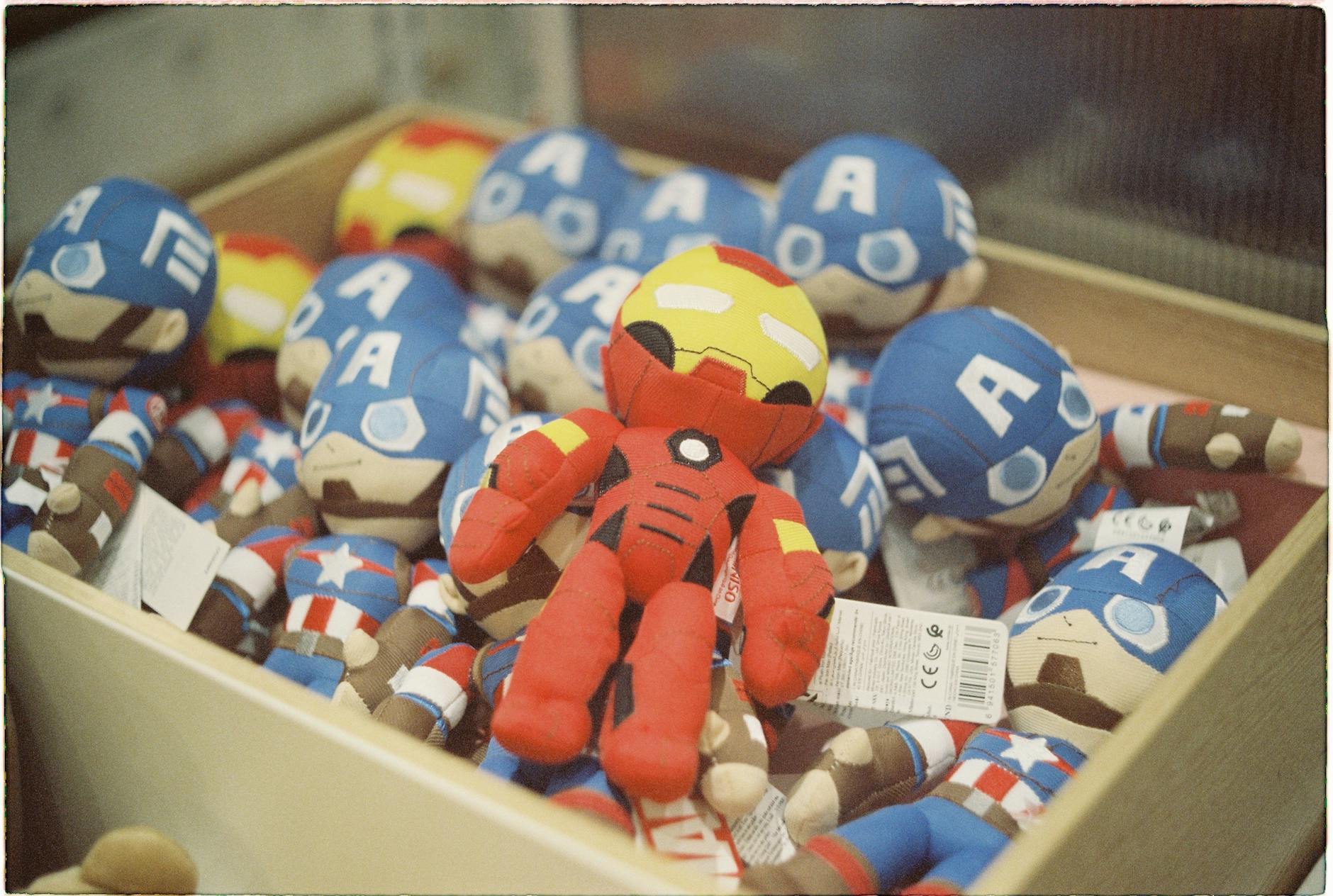
Merchandise is one of those words that gets used constantly in the world of marketing and promotions, yet many organisations — from Sydney corporates to Brisbane primary schools — aren’t always sure where to start when it comes to ordering their own. Whether you’re planning a staff uniform rollout, sourcing giveaways for a trade show, or looking for thoughtful end-of-year gifts for clients, branded merchandise is one of the most versatile and cost-effective tools available. This guide breaks down everything you need to know: what merchandise actually is, why it works, how to choose the right products, and how to navigate the ordering process with confidence.
What Is Merchandise, and Why Does It Matter?
At its core, merchandise refers to any physical product that has been customised with a logo, message, or design to represent a brand, organisation, or event. In the promotional products industry, this encompasses an enormous range of items — from classic branded pens and tote bags through to premium drinkware, tech accessories, corporate apparel, and even food products like custom branded spice jars for food brand marketing.
The reason merchandise works so well as a marketing tool comes down to one simple truth: people keep useful things. Unlike a social media ad that disappears in seconds, a quality branded keep cup or a well-stitched polo shirt stays with the recipient for months — sometimes years. Every time they use it, they’re reminded of the organisation that gave it to them. And if they use it in public, it becomes a walking advertisement.
In Australia, branded merchandise is used across virtually every sector. A Canberra government department might order custom lanyards and notebooks for an annual conference. A Gold Coast real estate agency might hand out branded water bottles to new clients at an open home. A Melbourne primary school might order custom sports day t-shirts for their whole student cohort. The applications are almost endless.
The Psychology Behind Branded Products
There’s genuine behavioural science behind why merchandise is so effective. The concept of reciprocity — the human tendency to feel obligated to return a favour — plays a significant role. When a brand gives something of value (even something as simple as a quality pen), the recipient feels a positive association with that organisation. Studies consistently show that promotional products generate higher recall rates than digital advertising, making them a smart investment for any marketing budget.
Types of Merchandise: Choosing the Right Products
Choosing the right type of merchandise depends heavily on your audience, your budget, and your goals. Here’s a breakdown of the most popular categories and when each works best.
Apparel and Workwear
Custom clothing is one of the most powerful forms of merchandise because it creates walking brand awareness. Screen-printed t-shirts, embroidered polos, zip-up hoodies, and hi-vis workwear are all popular choices across Australian industries. A Perth construction company might need hi-vis vests and safety workwear, while a Sydney startup might order premium embroidered hoodies for their team.
The decoration method matters here. Screen printing works beautifully for bold, flat designs on t-shirts. Embroidery adds a professional, premium finish to polos and caps. Understanding the difference between printing and embroidery can save you both money and disappointment when your order arrives.
Drinkware
Branded drinkware is consistently one of the best-performing merchandise categories in Australia — and for good reason. Reusable coffee cups, stainless steel water bottles, and ceramic mugs are products people genuinely use every day. For businesses focused on sustainability, choosing BPA-free or recycled-material drinkware communicates environmental values alongside brand messaging.
Minimum order quantities (MOQs) for drinkware typically start around 25–50 units, though this varies by product and supplier. Laser engraving is a popular decoration method for metal drinkware, as it creates a permanent, premium-looking result. Pad printing and full-colour digital printing are better suited to plastic or ceramic items.
Bags and Totes
Tote bags, backpacks, and cooler bags are versatile merchandise items that offer a large print area for maximum brand visibility. An Adelaide university might order branded canvas tote bags for O-Week, while a Darwin council might choose eco-friendly jute bags for a community event. Reusable bags in particular have surged in popularity as single-use plastic alternatives — they’re practical, eco-friendly, and highly visible.
Tech Accessories
Power banks, USB drives, wireless chargers, and phone accessories are merchandise items that command genuine excitement. They’re particularly effective for corporate audiences, conference giveaways, and tech-sector events. While tech merchandise typically sits at a higher price point, the perceived value is significantly higher — recipients tend to keep and use these items for a long time.
Stationery and Office Products
Branded pens, notebooks, sticky notes, and desk organisers are staples of the merchandise world. They’re cost-effective, practical, and suitable for virtually every audience. If you’re organising a large conference or trade show with a tight per-head budget, stationery items allow you to maximise reach without blowing your budget.
Food and Drink Products
Edible merchandise is a fast-growing category that works particularly well for gifting occasions. Branded hampers, custom honey jars, chocolate, and even artisan spice collections can make extraordinary corporate gifts that stand out from the usual merchandise options. Products like custom branded spice jars are especially memorable for food brands, hospitality businesses, and corporate gifting programmes.
How to Order Merchandise: A Practical Guide
Understanding the ordering process will help you avoid common pitfalls and ensure your merchandise arrives on time and looking exactly as you imagined.
Step 1: Define Your Goal and Audience
Before you choose a product, get clear on what you want to achieve. Are you rewarding loyal clients? Building team culture? Creating giveaways for a trade show? The goal determines the product. A high-value corporate gift for ten key clients requires a very different approach to a bulk giveaway for 500 event attendees.
Step 2: Set a Realistic Budget
Budget planning should happen early and account for more than just the product unit cost. Factor in setup fees (typically $50–$150 per colour or design element), freight costs, and GST. If you need samples before committing to a full order, most suppliers charge a sample fee. Ordering more units generally brings the per-unit cost down significantly, so if you’re close to a pricing tier, it often makes financial sense to order a few extra.
Step 3: Understand Minimum Order Quantities
MOQs vary widely across product categories and decoration methods. Simple promotional products like pens might have an MOQ of 100 units. Premium items like embossed leather notebooks might start at just 25. If you’re ordering for a small team, make sure you confirm MOQs upfront to avoid surprises.
Step 4: Prepare Your Artwork
Good artwork is critical to a great result. Suppliers typically require vector files (AI, EPS, or PDF format) for screen printing, embroidery digitising, and other decoration methods. Low-resolution JPEGs or PNGs often aren’t suitable. If your logo was designed by a graphic designer, ask them for the original vector file. Some suppliers offer basic artwork assistance, but for complex designs, professional artwork setup may be required.
PMS (Pantone Matching System) colour codes are important when brand colour accuracy matters. If your brand guidelines specify exact Pantone colours, communicate these clearly with your supplier to ensure a match.
Step 5: Approve Your Proof Before Production
Never skip the proof approval stage. A digital proof — sometimes called a visual mockup — shows you exactly how your design will look on the product before production begins. Check the sizing, positioning, spelling, and colours carefully. Once you approve the proof, production commences and changes become costly or impossible.
Step 6: Plan for Turnaround Time
Standard turnaround for most merchandise orders is 10–15 business days after artwork approval, though this varies. Rush orders are often available for an additional fee. If you’re ordering for a specific event or deadline — a Melbourne Cup client lunch, an end-of-financial-year staff gift, or a school sports carnival — build in extra time to account for any delays.
Merchandise for Specific Occasions and Sectors
Merchandise needs vary significantly depending on the context. For end-of-year corporate gifting, corporate Christmas gifts in Australia are a major focus for businesses looking to strengthen client relationships in the lead-up to December. Planning ahead — ideally by October — ensures you avoid the Christmas rush that strains production capacity across the industry.
Schools represent another huge market for branded merchandise. From sports carnivals and graduation events to fetes and fundraisers, schools across Australia rely on custom products to build community spirit and raise funds. Printable t-shirts, caps, and tote bags are perennial favourites.
For corporate events and conferences, the merchandise you choose communicates something about your brand values. A sustainable business should choose eco-friendly products — recycled notebooks, bamboo pens, or reusable bags — rather than single-use plastic items that contradict the message.
Getting Maximum Value from Your Merchandise Investment
The best merchandise is merchandise that gets used. Before finalising your product selection, ask yourself: Will the recipient actually use this? Does it reflect our brand values? Is the quality good enough to make a positive impression?
Cheap merchandise that breaks quickly, looks poor, or ends up in the bin does more harm than good. Investing slightly more in a quality product almost always delivers a better return — the recipient uses it more often, keeps it longer, and forms a more positive association with your brand.
Also consider the unboxing or presentation experience, particularly for premium corporate gifts. A beautifully packaged gift set — perhaps a branded keep cup paired with a notebook in a custom gift box — creates a memorable moment that a standard envelope mailer simply can’t match.
Key Takeaways
Branded merchandise is a powerful, tangible marketing tool that delivers lasting impressions when done well. To summarise the essentials:
- Choose products your audience will genuinely use — utility drives longevity, and longevity drives brand recall
- Plan your budget carefully, accounting for setup fees, freight, GST, and potential sample costs
- Understand MOQs and turnaround times before committing to a timeline — particularly for event-driven or seasonal orders
- Prepare print-ready artwork in vector format and confirm PMS colour codes to ensure accurate results
- Match your merchandise to the occasion and your brand values — eco-conscious businesses should choose sustainable products, and premium events deserve premium gifts
- Order early, especially for the Christmas period or large-scale events, to avoid rush fees and production delays
Whether you’re a Hobart boutique business ordering a small run of branded packaging, or a Brisbane corporation sourcing merchandise for a national conference, taking a strategic approach to your merchandise programme will always deliver better outcomes than ordering on impulse. The products you put your logo on tell a story about who you are — make sure it’s a good one.