
Jewish Hat Styles Explained: A Practical Guide for Corporate Gift Buyers
Discover Jewish hat styles, their significance, and how Australian businesses can source respectful, culturally aware corporate gifts for diverse teams.

Written by
Grant Ellison
Corporate Gifts
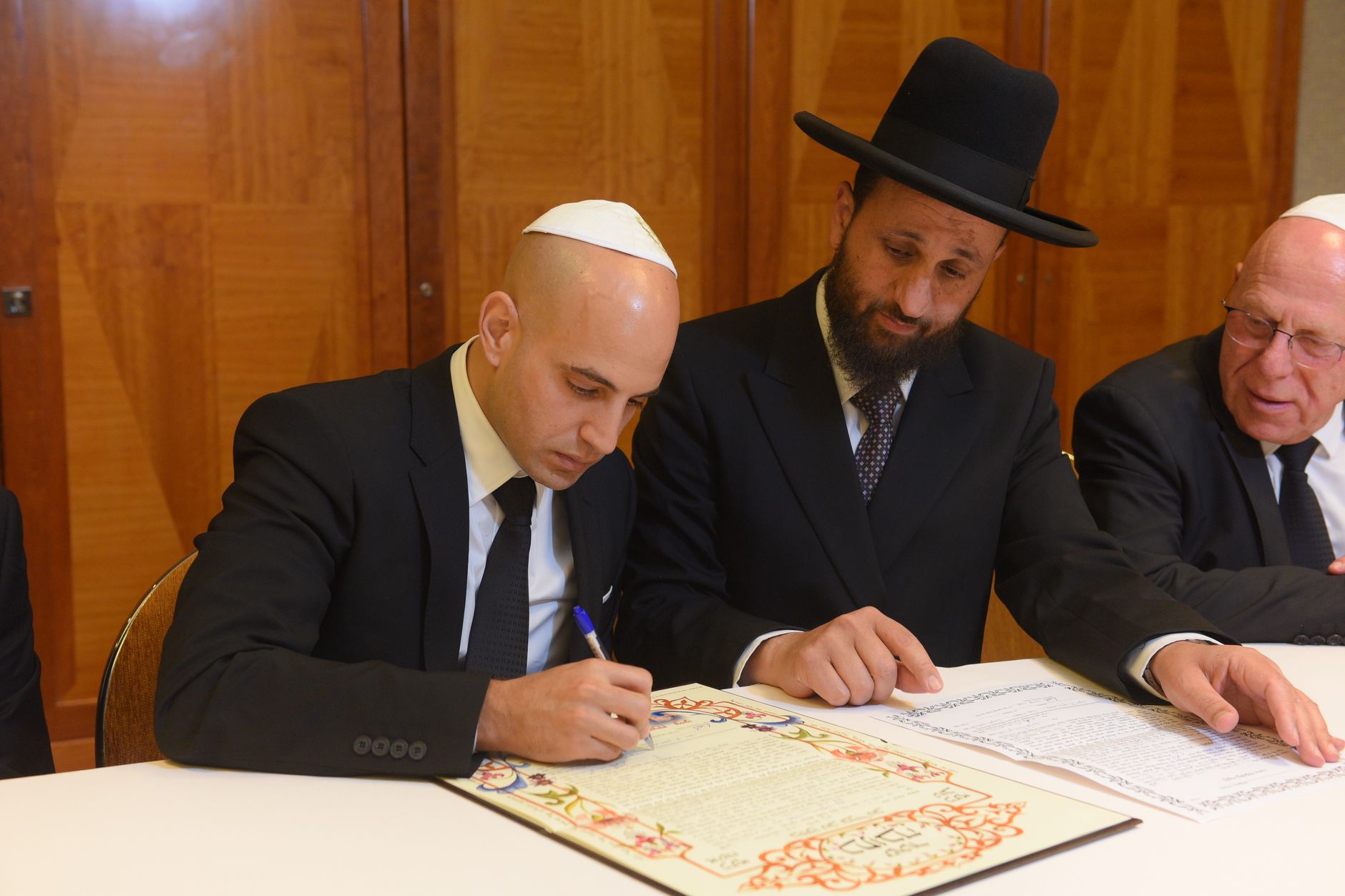
Choosing culturally respectful corporate gifts is one of the most important — and often overlooked — aspects of running a thoughtful branded merchandise programme. For Australian businesses, schools, and organisations serving diverse communities, understanding cultural headwear such as the Jewish hat is essential before selecting promotional apparel or gifting products. Whether you’re organising an interfaith community event in Melbourne, sourcing gifts for a multicultural corporate team in Sydney, or planning a school fundraiser in Brisbane that celebrates cultural diversity, this guide will help you navigate Jewish hat styles with confidence, sensitivity, and practical clarity.
What Is a Jewish Hat and Why Does It Matter for Corporate Gift Buyers?
The term “jewish hat” is a broad reference to several styles of traditional headwear worn by Jewish men and, in some communities, women. These items carry deep religious and cultural significance, and understanding them properly is critical for any organisation that wants to engage respectfully with Jewish staff, clients, or community members.
The most widely recognised Jewish hat is the kippah (also called a yarmulke), a small, rounded skull cap worn as a sign of reverence and acknowledgement of a higher presence. Kippahs come in a wide range of materials — suede, velvet, knitted, and leather — and styles vary significantly across different Jewish communities. Ashkenazi, Sephardic, and Modern Orthodox communities may each have distinct preferences.
Other styles of Jewish headwear include:
- The Streimel — a large, round fur hat traditionally worn by Hasidic Jewish men, particularly on Shabbat and Jewish holidays
- The Spodik — a tall, cylindrical fur hat worn by certain Hasidic groups, similar to the streimel but taller and narrower
- The Fedora-style hat — worn by many Orthodox Jewish men as everyday headwear, often in black felt
- The Borsalino — a premium Italian-made fedora that has become a staple in many Orthodox Jewish communities globally
Understanding these distinctions matters enormously when you’re working with a diverse team or sourcing gifts for a culturally mixed audience. Promotional products that inadvertently misrepresent or trivialise religious items can cause significant offence — the opposite of what a well-considered corporate gift should achieve.
Sourcing Custom Headwear for Multicultural Corporate Programmes
For Australian businesses, schools, and organisations that want to honour cultural diversity through their branded merchandise approach, there are several practical ways to incorporate culturally aware gifting strategies.
If your organisation is looking to include headwear as part of a branded merchandise campaign, it’s worth considering options that are inclusive and adaptable. Custom caps and hats are an extremely popular promotion product in Australia, but they need to be selected thoughtfully when your audience includes community members who wear religious headwear.
Working With Culturally Diverse Teams
If you’re a Sydney or Melbourne corporate with a significant number of Jewish staff members who wear kippahs or religious hats as part of their daily observance, it’s important to factor this into any branded uniform or workwear programme. For instance, rather than mandating a branded cap that would conflict with religious headwear, you might consider alternative branded apparel items — such as personalised work clothing like embroidered polos, branded jackets, or logoed lanyards — that allow staff to maintain their religious practices while still representing your brand.
This approach is not only legally prudent under Australian workplace discrimination laws, it also reinforces your organisation’s commitment to inclusion. Consulting with staff or community leaders before finalising a uniform programme is always a smart move.
Gifting Strategies for Jewish Community Events and Organisations
If your business sponsors a Jewish community event, school fete, or interfaith programme, selecting appropriate promotional gifts is paramount. Rather than headwear, consider gifting items that are universally appreciated and align with your brand’s values. Popular options include:
- Branded keep cups or reusable drink bottles — practical, sustainable, and widely appreciated; explore glass water bottles or promotional water bottles as thoughtful options
- Quality notebooks and stationery — sticky notes and branded stationery make excellent, non-intrusive gifts
- Premium tote bags or eco bags — useful for community events and easily customised
- Branded umbrellas or scarves — particularly relevant for outdoor events in cooler cities like Hobart, Canberra, or Melbourne
These alternatives demonstrate cultural awareness while still achieving your brand visibility goals. For more inspiration on standout options, our guide to unique promotional products covers a range of creative ideas that work across diverse audiences.
Custom Kippah Programmes: A Niche But Growing Market
One area where businesses and organisations can genuinely add value is through custom kippah programmes. In Australia, Jewish schools, synagogues, bar and bat mitzvah celebrations, and community organisations sometimes seek branded or custom-designed kippahs for events and fundraising.
If you are a Jewish school, a synagogue, or an organisation running a cultural event, a custom kippah can serve as a meaningful and treasured keepsake. Here’s what to consider when approaching this niche product category:
Materials and Decoration Methods
Kippahs are typically decorated using embroidery or sublimation printing, depending on the material. Knitted kippahs can be produced with custom patterns woven into the design, while suede or velvet styles lend themselves to embroidery of names, dates, logos, or Hebrew text.
- Embroidery works well on suede and velvet kippahs — it’s durable and produces a premium finish
- Sublimation suits polyester or fabric-based kippahs, allowing for full-colour, edge-to-edge designs
- Woven or knitted patterns are available from specialist Judaica suppliers for higher-volume orders
If you’re unfamiliar with different decoration techniques, our overview of logo promotional merchandise explains the key methods and when to use them.
MOQs and Ordering Considerations
Custom kippahs are typically available from minimum order quantities of 25 to 50 units for embroidered styles, with setup fees applying for embroidery digitisation. For woven or knitted designs, MOQs may be higher — typically 100 units or more — due to production requirements. Turnaround times vary, but for most Australian orders, you should allow 3 to 4 weeks from artwork approval to delivery, or longer if stock is being produced offshore.
If your event is time-sensitive, always communicate your deadline upfront and confirm turnaround times before placing an order. Selecting the right promotional product companies with experience in niche or culturally specific merchandise will save you significant time and stress.
Building a Culturally Inclusive Branded Merchandise Strategy
Beyond Jewish hat styles specifically, the broader lesson for Australian organisations is that a culturally inclusive branded merchandise strategy requires research, consultation, and flexibility. Australia is one of the world’s most multicultural nations, and the communities you serve in Brisbane, Perth, Adelaide, and Darwin may have very different cultural gifting expectations.
Here are some practical principles to build into your merchandise planning process:
Consult Before You Commit
Before finalising any branded apparel or headwear programme, consult with representatives from your target community. This is particularly important for religious communities where items like headwear carry specific significance. A well-intentioned gift can quickly become problematic if it conflicts with religious observance or cultural norms.
Prioritise Versatile, Universally Appreciated Items
When in doubt, focus your budget on products that are universally useful. Custom t-shirts and polo shirts are perennial favourites, but ensure you’re offering appropriate sizing and consider whether staff or community members might need modest-cut options. For those interested in premium apparel decoration, sublimation polo shirts offer stunning full-colour results that work across diverse audiences.
Think About Workwear and Hi-Vis Inclusivity
For organisations in industries where uniforms and workwear are mandatory — particularly construction, healthcare, and logistics — inclusivity in uniform design is crucial. If you’re sourcing JB Workwear or other branded hi-vis apparel, consider how your uniform policy accommodates staff who wear religious headwear. Many employers in NSW and Victoria have updated their policies to permit religious head coverings under hi-vis vests or alongside workwear, which is both legally sound and operationally sensible.
Measure the Impact of Your Gifting Programme
Whether you’re distributing custom kippahs at a bar mitzvah in Sydney’s Eastern Suburbs or branded water bottles at a multicultural school event in Melbourne’s inner north, tracking the effectiveness of your promotional product spend is important. Our guide on how to increase brand awareness through merchandise offers practical frameworks for measuring ROI on your gifting initiatives.
For businesses looking to understand the fundamentals before diving deeper, our explainer on what merchandise actually is and our overview of running a promotional product business provide excellent context.
Conclusion: Key Takeaways for Corporate Gift Buyers
Navigating cultural headwear like the Jewish hat thoughtfully and respectfully is a mark of a mature, inclusive organisation. For Australian businesses, schools, and event organisers, the following principles should guide your approach:
- Understand the significance of Jewish hat styles — from the everyday kippah to the ceremonial streimel — before making any product decisions related to headwear
- Consult with community representatives before committing to branded headwear or uniform programmes that may conflict with religious observance
- Consider custom kippah programmes if you’re working with Jewish schools, synagogues, or community organisations — these make meaningful, treasured keepsakes with the right decoration method and supplier
- Prioritise inclusive alternatives like branded drinkware, stationery, totes, and apparel when headwear isn’t the right choice for a culturally diverse audience
- Work with experienced merchandise suppliers who understand niche cultural products and can advise on MOQs, turnaround times, and decoration suitability — our promotion warehouse guide and resources on gear up promotions can help you find the right partners
Cultural sensitivity in branded merchandise isn’t just good ethics — it’s good business. Organisations that take the time to understand and respect the communities they serve will always build stronger, more lasting relationships through their gifting programmes.