
Custom Printed Safety Instruction Cards for Site Inductions: A Complete Australian Guide
Learn how custom printed safety instruction cards for site inductions can improve compliance, reduce risk, and reinforce your brand on site.

Written by
Troy Maguire
Safety & Workwear
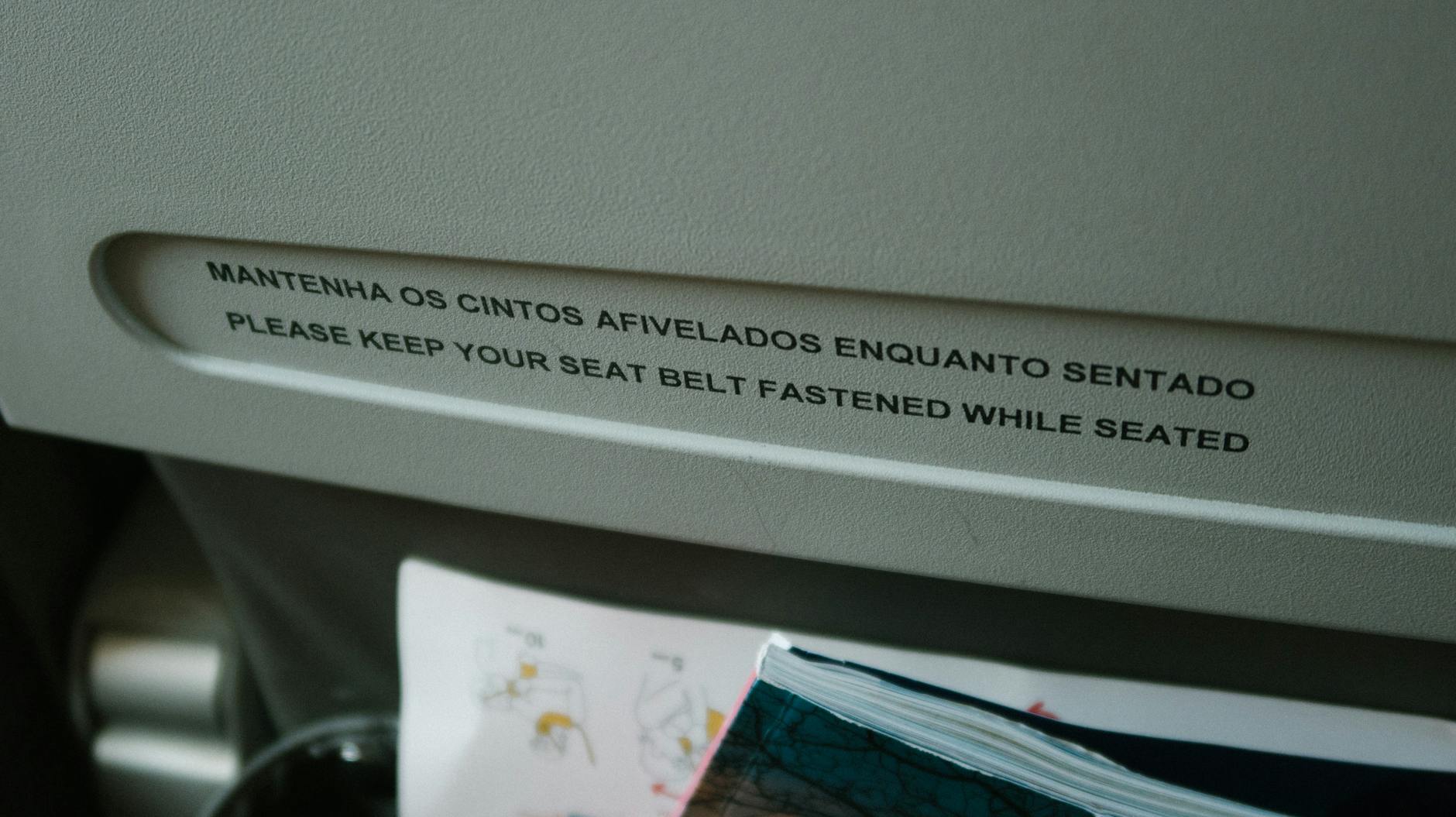
Walking onto a construction site, warehouse, or industrial facility without a proper induction is a serious safety risk — and in Australia, it’s also a compliance issue. Site inductions are a legal requirement across virtually every industry that involves physical workplaces, from building and construction in Queensland to manufacturing plants in Victoria and mining operations in Western Australia. Yet despite the importance of these inductions, many organisations still rely on verbal briefings, generic printouts, or laminated sheets that fade, fray, and get lost within weeks. Custom printed safety instruction cards for site inductions offer a smarter, more professional, and more durable alternative — one that reinforces your safety culture, keeps workers informed, and puts your organisation’s branding front and centre.
Why Site Induction Cards Matter More Than You Think
Australia’s workplace health and safety legislation — governed by Safe Work Australia and administered through state and territory bodies — places the responsibility for worker safety squarely on the principal contractor or site manager. Part of meeting that obligation is ensuring every person who enters a site has been properly briefed on hazards, emergency procedures, personal protective equipment requirements, and site-specific rules.
The problem with verbal-only inductions is simple: people forget. Research consistently shows that adults retain only a fraction of verbal information without a visual or written reference. By providing workers, contractors, and visitors with a custom printed safety card they can refer back to, you’re not just ticking a compliance box — you’re genuinely improving the chances that safety information sticks.
Think about a busy infrastructure project in Sydney’s Western Sydney growth corridor, where dozens of subcontractors might be rotating through a site in a single week. Each of those workers comes from a different background, speaks a different language, and has different levels of site familiarity. A well-designed, clearly printed safety instruction card gives everyone a consistent point of reference, regardless of experience or language proficiency.
What to Include on Custom Printed Safety Instruction Cards for Site Inductions
Getting the content right is just as important as getting the print quality right. Before you brief a supplier on your order, spend time working with your WHS coordinator or site manager to map out exactly what information needs to be communicated.
Core Safety Information
Most site induction cards will include some combination of the following:
- Emergency contact numbers — site emergency coordinator, first aid officer, fire warden
- Muster point location — ideally with a simple site map or directional icons
- PPE requirements — what must be worn at all times, and where specific gear is required in designated zones
- Hazard identification — site-specific risks such as overhead cranes, moving vehicles, confined spaces, or chemical storage
- Reporting procedures — how to report a near miss, incident, or hazard
- Site access rules — restricted zones, sign-in/sign-out requirements, no-go areas
- Environmental obligations — waste disposal, spill protocols, noise restrictions
Design and Format Considerations
The physical format of the card matters enormously. A card that’s too small becomes difficult to read on site. A card that’s too large won’t fit in a vest pocket or be kept on a person. The most popular formats for site induction cards in Australia are:
- Credit card size (85mm x 54mm) — highly portable, fits in wallets and lanyards, ideal for essential information only
- DL size (99mm x 210mm) — allows more content and can be folded or laminated
- Folded tent card — useful for sign-in desks or site offices where the card remains stationary
- Booklet format — for complex sites with multiple zones, languages, or regulatory requirements
If you’re pairing your cards with personalised lanyards, credit card-sized induction cards are a natural fit — workers can keep the card clipped alongside their ID badge or access pass for easy reference throughout the day.
Choosing the Right Print Specification
The print quality of your safety instruction cards will determine how well they hold up in the field. A card that’s been washed out by UV exposure, smeared by grease, or bent beyond readability within a month isn’t just a waste of your budget — it’s a safety risk.
Material and Lamination Options
For most site environments, a standard cardstock with gloss or matte lamination is sufficient. However, for more demanding environments — particularly outdoor construction sites, underground operations, or facilities involving moisture or chemicals — consider:
- Synthetic or plastic card stock — waterproof and tear-resistant, ideal for high-humidity environments like Darwin or tropical Queensland
- UV lamination — resists fading from prolonged sun exposure
- Soft-touch lamination — a premium tactile finish that also offers reasonable durability
- Bi-fold or tri-fold designs — allows more information without increasing the card size, while the folded format provides some inherent protection to the printed surface
Printing Techniques
For safety instruction cards, digital printing is almost always the most suitable method. It allows for:
- Full colour reproduction of your company logo, safety icons, and photographic imagery
- Short to medium run quantities (typically from as low as 100 cards)
- Rapid turnaround for urgent project starts
- Variable data printing if you need cards that include project-specific information, dates, or site addresses
If you’re interested in understanding how different printing methods compare for your branded materials, our full colour vs single colour printing cost comparison breaks down when it makes sense to invest in full colour versus keeping things simple and affordable.
Ordering Considerations: MOQs, Turnaround, and Budgeting
One of the most common questions organisations ask when ordering custom printed safety instruction cards is how many they need to order. The answer depends on several factors: how frequently your site roster changes, whether cards are collected at the end of each induction or kept by the worker, and how many sites or projects you’re managing simultaneously.
Minimum Order Quantities
Most Australian print and promotional product suppliers offer custom printed cards from a minimum of 100 to 250 units. For larger construction companies managing multiple active sites across Brisbane, Melbourne, and Perth simultaneously, ordering in bulk — typically 1,000 or more — brings the per-unit cost down significantly and ensures a consistent supply. Bulk orders also reduce the likelihood of scrambling for a reprint when a new subcontractor comes on board unexpectedly.
Turnaround Times
Standard turnaround for custom printed safety cards is typically five to ten business days from artwork approval. If your site start date is tight, ask your supplier about express production options, which can sometimes reduce this to two to three business days at an additional cost. Always factor in freight time, particularly if you’re ordering from interstate or for a remote site in regional Western Australia, Northern Territory, or outback Queensland.
Budgeting for Safety Print Materials
The per-card cost will vary based on quantity, material, and specification. As a rough guide:
- Credit card size, single-sided, gloss laminated: approximately $0.30 to $0.80 per card at 500+ units
- DL size, full colour, double-sided, laminated: approximately $0.80 to $1.80 per card at 500 units
- Booklet format, multi-page: pricing varies significantly based on page count and binding
When you’re thinking about the broader return on investment from branded safety materials, it’s worth reviewing our analysis of corporate gifting ROI data — the same principles around brand recall and perceived professionalism apply to site-based materials too.
Integrating Safety Cards into a Broader Site Induction Kit
Custom printed safety instruction cards are most effective when they’re part of a cohesive induction experience, not just handed out in isolation. Many Australian contractors and site managers are now building structured induction kits that combine multiple branded materials.
A well-rounded site induction kit might include:
- Custom printed safety instruction card — the primary reference document
- Branded high-vis vest or workwear — check out our thoughts on custom colour hoodies and similar apparel if you’re also equipping your team with branded site gear
- Site-specific access pass or visitor badge — paired with a personalised lanyard
- Branded pen and sign-in sheet — for documenting induction completion
- Emergency response card — a separate card for first aid or evacuation procedures
This kind of structured approach signals to workers, clients, and regulators that your organisation takes safety seriously — and that professionalism extends to every touchpoint of the site experience. If you’re unsure which suppliers to approach for this kind of multi-item order, our guide on what to look for when choosing a promotional product supplier is a useful starting point.
You might also consider how these materials fit within your broader branded merchandise strategy — our merchandise hub is a great resource for exploring the full range of options available to Australian organisations.
Sector-Specific Applications Across Australia
Custom printed safety instruction cards aren’t limited to traditional construction or mining environments. Consider these sector-specific applications:
- Healthcare facilities (hospitals and aged care homes in Adelaide and Hobart) requiring contractor inductions for maintenance and installation teams
- Schools and universities across New South Wales and Victoria managing renovation or capital works projects
- Council-managed public infrastructure in Greater Brisbane or Perth metropolitan areas where subcontractors work across multiple sites
- Event venues and temporary structures on the Gold Coast requiring crowd safety and emergency evacuation information for casual staff and vendors
- Food processing and manufacturing plants where hygiene protocols, allergen risks, and machinery hazards need to be communicated clearly
Each of these environments has unique safety requirements, which is why the ability to fully customise your card content — rather than relying on generic templates — is so valuable. For organisations already investing in branded wellness and professional development materials, consider how your induction cards can visually align with items like branded wellness journals for healthcare providers to create a consistent organisational identity.
Working with a Supplier: Key Questions to Ask
Before committing to an order, ask your supplier the following:
- Do you offer a digital proof before printing?
- Can you match our corporate PMS colours?
- What file formats do you accept for artwork submission?
- Is lamination included in the quoted price?
- Can we order a physical sample before the full run?
- What is your policy on reprints if there’s a print quality issue?
Asking the right questions upfront saves costly reprints and delays — especially when your induction materials are needed before a project start date that can’t move.
Key Takeaways
Custom printed safety instruction cards for site inductions are a smart investment for any Australian organisation managing physical workplaces, contractor access, or public safety obligations. Here’s what to keep in mind as you plan your order:
- Content is everything — work with your WHS team to ensure your card covers all legally relevant and site-specific safety information before briefing a supplier
- Choose materials for the environment — synthetic card stock and UV lamination are worth the extra cost for outdoor or harsh site conditions
- Format for portability — credit card size or DL format suits most site environments and pairs well with lanyard-worn access passes
- Order ahead of project start dates — standard turnaround is five to ten business days, and express options add cost; plan accordingly
- Integrate into a broader induction kit — cards are most effective when combined with branded workwear, lanyards, and a structured sign-in process that creates a professional, safety-first first impression