
Custom Organic Cotton Produce Bags in Australia: The Complete Buying Guide
Discover how Australian businesses and schools can order custom organic cotton produce bags — with tips on decoration, MOQs, budgeting, and more.

Written by
Issac Oteng
Bags & Totes
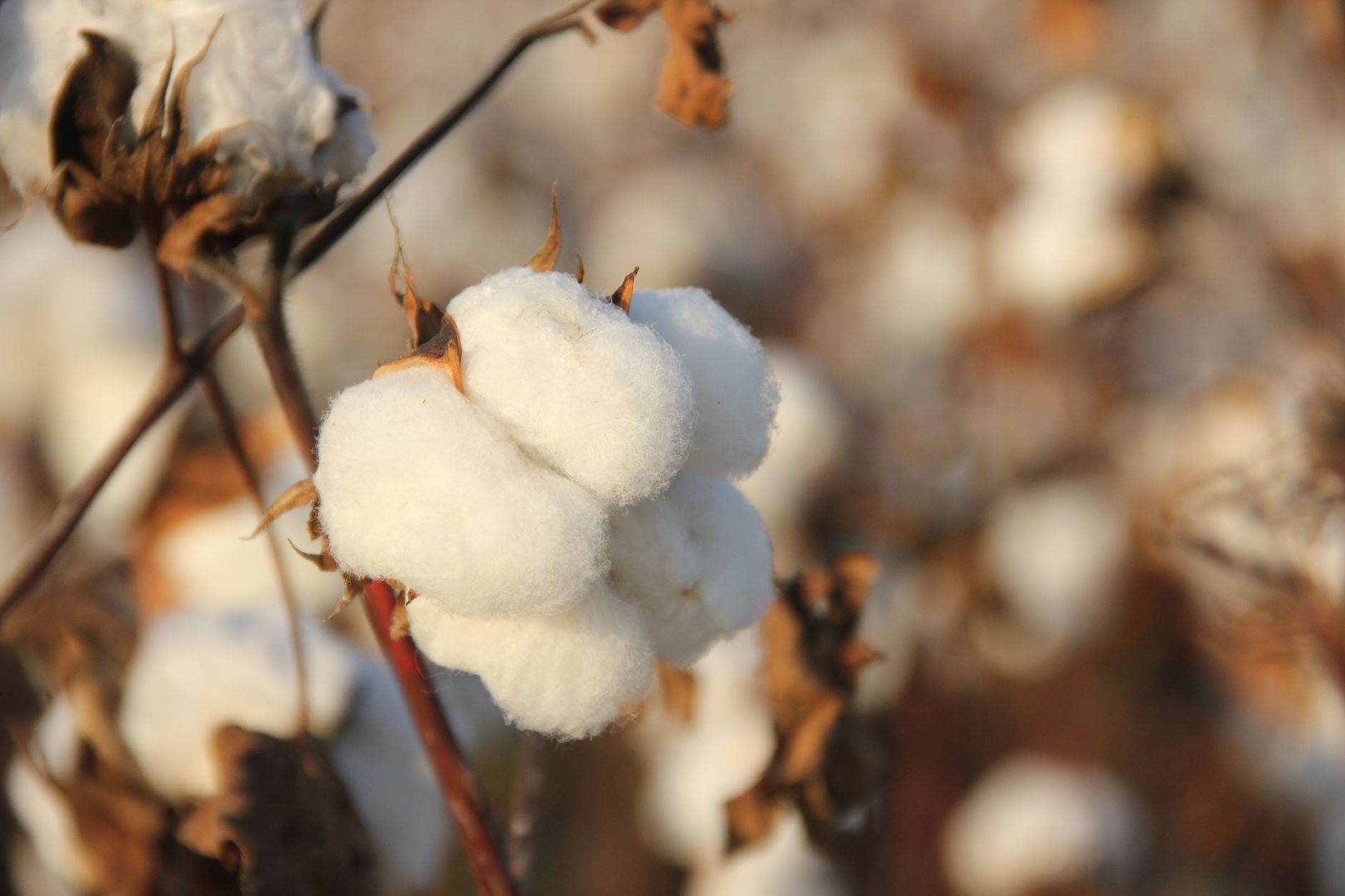
Choosing the right branded merchandise for your organisation has never been more important — or more scrutinised. Consumers, students, parents, and stakeholders are increasingly paying attention to what a brand puts its logo on, and whether those choices reflect genuine values. Custom organic cotton produce bags in Australia have emerged as one of the most practical, purpose-driven promotional items available today. They’re useful, they’re visible, they resonate with eco-conscious audiences, and they carry your brand message into supermarkets, farmers markets, and kitchens across the country — every single week. If you’re considering ordering branded produce bags for a corporate campaign, school fundraiser, or community event, this guide covers everything you need to know before you place your first order.
Why Custom Organic Cotton Produce Bags Make Sense for Australian Organisations
There’s a reason reusable bags have become one of the most ordered promotional products in Australia over the last several years. Since the nationwide phase-out of single-use plastic bags across major supermarket chains, Australians have been actively seeking reusable alternatives. But there’s a meaningful difference between a standard polypropylene reusable bag and a certified organic cotton produce bag — and that difference matters enormously to your audience.
Organic cotton produce bags are made from cotton grown without synthetic pesticides or fertilisers, certified under standards such as GOTS (Global Organic Textile Standard). They’re washable, durable, breathable for fresh produce, and fully biodegradable at end of life. For organisations that want their branded merchandise to reflect genuine sustainability commitments — rather than just surface-level greenwashing — these bags send exactly the right message.
Consider the context: a Perth health food retailer handing out branded organic cotton produce bags at a community wellness fair, or a Brisbane primary school distributing them as part of a sustainability education program. In both cases, the bag becomes a daily-use item that reinforces positive associations with the brand or institution every time it’s used. Research consistently shows that tactile, physical marketing items create stronger brand recall than digital impressions alone — and produce bags are about as tactile and functional as it gets.
The Environmental Credentials That Resonate With Audiences
When organisations order custom organic cotton produce bags in Australia, they’re not just buying a promotional product — they’re making a statement. Key credentials to look for include:
- GOTS certification — verifies organic fibre content and responsible manufacturing
- OEKO-TEX Standard 100 — ensures the fabric is free from harmful substances
- Fairtrade certification — confirms ethical labour practices in the supply chain
- Australian-certified suppliers — working with suppliers who can verify the chain of custody
For government departments, councils, and not-for-profits in cities like Adelaide, Canberra, and Hobart, being able to communicate these credentials publicly is often essential for stakeholder reporting and community trust. Make sure your supplier can provide documentation, not just claims.
Understanding Decoration Methods for Custom Organic Cotton Produce Bags
One of the most common questions buyers ask is: “How do I get my logo on an organic cotton bag, and which method is best?” The answer depends on your design, your budget, and the quantity you’re ordering.
Screen Printing
Screen printing is the most popular and cost-effective decoration method for cotton bags, particularly for orders of 50 units or more. It delivers vibrant, solid colours and holds up well through repeated washing — an important consideration for produce bags, which will be washed regularly. Screen printing works best with designs featuring one to four spot colours. If your logo is a simple wordmark or a clean graphic, screen printing will give you sharp, professional results at a competitive price point.
Setup fees typically apply per colour (usually $30–$60 per colour in Australia), so the more units you order, the more cost-effective screen printing becomes. At 100 units, screen printing is almost always the most economical choice.
Embroidery
Embroidery adds a premium, tactile quality to branded cotton bags. It’s particularly well-suited to corporate gifting contexts, where the perceived value of the finished product matters. However, embroidery does have limitations: it’s not ideal for very small text, fine lines, or gradient-heavy designs. It’s also better suited to thicker canvas bags rather than lighter produce mesh styles.
For organisations already ordering work polo shirts for men or other embroidered apparel, combining a bag order with a broader branded apparel run can sometimes reduce setup costs.
Heat Transfer and Digital Printing
For smaller runs (under 50 units) or designs with multiple colours, photographic elements, or complex gradients, digital printing or heat transfer are practical alternatives. These methods have lower setup costs but a higher per-unit cost, making them better suited to boutique or personalised applications — like a small artisan market vendor in Melbourne or a school P&C committee ordering end-of-year gifts for teachers.
What to Discuss With Your Supplier
Before finalising your decoration method, have a clear conversation with your supplier about:
- Artwork format — vector files (AI, EPS, PDF) are required for screen printing; high-resolution PNG or JPEG may work for digital printing
- PMS colour matching — if brand consistency is critical, specify Pantone colours explicitly
- Print placement — front, back, gusset, or drawstring area options vary by bag style
- Wash durability — ask specifically about how the decoration holds up after 20+ wash cycles
For more background on decoration techniques, our quality guide to laser engraving for promotional products is a useful companion read, even if engraving isn’t typical for cotton bags — it covers principles of permanent decoration that apply across methods.
Ordering Custom Organic Cotton Produce Bags in Australia: Practical Considerations
Getting the details right before you order can save a considerable amount of time, money, and frustration. Here’s what experienced buyers know before they place an order.
Minimum Order Quantities
Most Australian suppliers offer custom organic cotton produce bags with a minimum order quantity (MOQ) of between 50 and 100 units for screen printed options. Some suppliers will accommodate orders as small as 25 units using digital printing, though the per-unit cost will be noticeably higher. For large-scale events — a Sydney corporate conference, a Gold Coast trade expo, or a Melbourne university orientation week — orders of 500 or more units typically unlock the best bulk pricing.
Budgeting Realistically
As a general benchmark for custom organic cotton produce bags in Australia:
- 25–50 units: $8–$15 per unit (digital print, single colour)
- 100–250 units: $5–$9 per unit (screen print, one to two colours)
- 500+ units: $3–$6 per unit (screen print, bulk pricing)
These are indicative ranges and will vary based on bag weight (grams per square metre), draw-cord or flat style, certification level, decoration complexity, and supplier. Always request a formal quote that itemises setup fees, unit cost, delivery, and GST separately. Our guide on what to look for when choosing a promotional product supplier is an excellent resource for knowing the right questions to ask before you commit.
Turnaround Times
Standard production turnaround for custom organic cotton produce bags in Australia is typically 10–15 business days after artwork approval. If you need bags for a specific event date, work backwards from that date, allow at least three to five days for artwork approval and sampling, and communicate your deadline clearly from the outset.
For time-sensitive orders — say, a Darwin council sustainability initiative launching at a fixed community event — ask about express production options, though these will usually attract a premium.
Sampling
Always request a pre-production sample or virtual proof before approving a full run. Physical samples allow you to assess fabric weight, drawstring quality, seam finishing, and how your logo reads on the actual material. Many suppliers charge a small fee for physical samples, which is typically credited against your final order. This step is non-negotiable for orders where quality and brand representation are paramount.
Use Cases: Which Australian Organisations Are Ordering These Bags?
Custom organic cotton produce bags in Australia appeal to a genuinely broad range of buyers. Some common scenarios include:
Corporate sustainability programs: A Melbourne B-Corp company distributing branded produce bags to staff and clients as part of a sustainability campaign — paired with other eco-friendly items like reusable coffee cups or BPA-free water bottles.
School fundraising and education: A Sydney primary school selling branded organic produce bags through the school community as an eco-friendly fundraiser. Parents love them, and the school earns margin on each bag sold.
Health and wellness businesses: A Brisbane naturopath or health food store using branded bags as a value-add with product purchases — reinforcing the brand’s health-conscious values in a highly relevant way.
Government and council sustainability drives: A Perth or Adelaide council distributing bags at community farmers markets or sustainability expos as part of a waste reduction initiative.
Conference and event packs: A Canberra-based industry association including produce bags in delegate packs as a practical, ethical alternative to conventional tote bags. Paired with items like branded notebooks or promotional merchandise from other eco categories, they make a cohesive and memorable conference gift set.
Pairing Produce Bags With Other Promotional Items
For maximum impact, consider pairing organic cotton produce bags with complementary branded items. Popular combinations include:
- Branded produce bags + reusable coffee cups for a zero-waste welcome kit
- Produce bags + Thermos drink bottles for a premium wellness gift set
- Produce bags + seed packets or locally made snacks for an event welcome hamper
Browse our broader range of promotional products in Melbourne and across Australia for inspiration on building a cohesive branded merchandise package.
Conclusion: Key Takeaways for Ordering Custom Organic Cotton Produce Bags in Australia
Whether you’re a corporate marketing manager, a school fundraising coordinator, or a council events team, custom organic cotton produce bags are one of the most credible and functional branded items you can invest in. Here’s a summary of what to keep in mind:
- Verify certifications — look for GOTS, OEKO-TEX, or Fairtrade credentials and ask your supplier to provide documentation, not just verbal assurances
- Choose your decoration method wisely — screen printing suits most runs of 50+ units; digital printing works for smaller or more complex designs
- Budget for setup fees and delivery — always request an itemised quote that includes all costs upfront, especially GST and freight to your Australian state or territory
- Build in enough lead time — 10–15 business days after artwork approval is standard; express options exist but cost more
- Think beyond the bag — pairing produce bags with other sustainable branded items creates a more memorable and impactful gifting experience
Custom organic cotton produce bags in Australia are far more than a trend — they’re a reflection of where consumer values and organisational accountability are heading. Getting this decision right means choosing products that genuinely align with your brand, your audience, and the kind of future your organisation wants to be associated with.