
Biodegradable Custom Phone Cases for Eco Brands: A Complete Australian Guide
Discover how biodegradable custom phone cases can elevate your eco brand's message while reducing waste. Practical tips for Australian businesses.

Written by
Astrid Henriksen
Eco & Sustainable Products
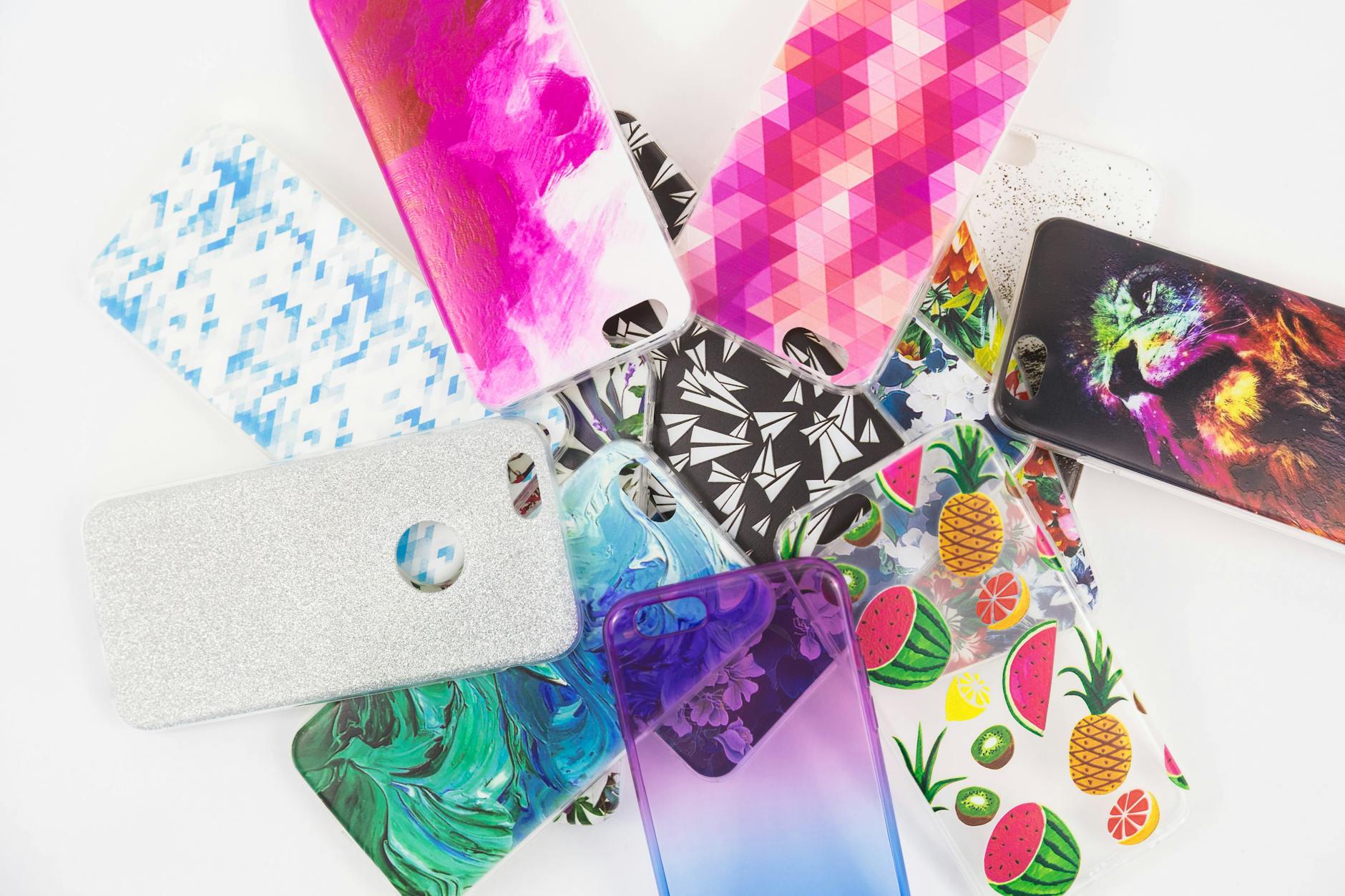
Choosing promotional products that genuinely reflect your brand’s environmental values has never been more important — or more possible. For Australian businesses, schools, and organisations committed to sustainability, biodegradable custom phone cases for eco brands represent one of the most visible, high-use, and genuinely impactful merchandise choices available right now. Think about it: nearly every Australian adult carries a smartphone everywhere they go. A branded phone case isn’t tucked away in a drawer — it’s out in the world, in meetings, at cafés, on public transport, and in thousands of daily interactions. When that case is also compostable and made from plant-based materials, your brand’s commitment to sustainability isn’t just a tagline. It’s tangible, functional proof.
Why Biodegradable Phone Cases Are Having a Moment in 2026
Consumer expectations around sustainability have shifted dramatically in recent years. Buyers across Australia — from Sydney’s inner-city professionals to Brisbane university students — are increasingly scrutinising the environmental credentials of the brands they support. Greenwashing is no longer an option. People can spot it instantly, and the reputational damage is real.
Biodegradable phone cases respond to this shift with a genuinely eco-friendly product. Unlike conventional phone cases made from polycarbonate or TPU (thermoplastic polyurethane), which can take hundreds of years to break down in landfill, biodegradable alternatives are typically crafted from materials like:
- Wheat straw – a by-product of grain harvesting that would otherwise be burned or discarded
- Flax fibre composites – plant-derived, strong, and lightweight
- Bamboo and bamboo composites – fast-growing, renewable, and naturally antimicrobial
- PLA (polylactic acid) – a bioplastic derived from corn starch or sugarcane, certified compostable in industrial conditions
- Recycled ocean-bound plastics – while not strictly biodegradable, these divert plastic waste from waterways and pair well with other eco claims
Each of these materials carries a different breakdown timeline and environmental certification. Knowing which material best suits your brand’s claims — and your budget — is an important first step in the ordering process.
Understanding the broader landscape of ocean plastic and recycled marketing giveaways in Australia can help you position your phone case campaign within a wider sustainability narrative. It also helps you avoid making environmental claims that don’t hold up to scrutiny.
Matching the Right Product to Your Brand Story
Not every eco brand is the same, and the best branded phone case for a zero-waste skincare company will look quite different from the right option for a government council running a sustainability awareness campaign in Adelaide or Canberra.
Corporate and B2B Brands
For corporate businesses investing in premium client gifts, a sleek wheat straw or bamboo composite phone case with a subtle embossed logo hits a sophisticated note. Pairing it with other thoughtfully chosen sustainable gifts — perhaps alongside organic cotton corporate gifts — creates a cohesive gifting experience that communicates values, not just branding.
Decoration-wise, corporate clients typically prefer laser engraving or debossing for a refined, permanent finish. Pad printing works well for full-colour logos on matte surfaces. For a deeper look at how decoration methods affect the quality and longevity of eco products, our quality guide to laser engraving for promotional products is an excellent starting point.
Schools and Educational Institutions
Primary and secondary schools, along with universities and TAFEs, are increasingly embedding sustainability into their core messaging. A Melbourne secondary school running an environmental awareness week, for example, could order biodegradable phone cases branded with the school’s logo and a sustainability message for Year 11 and 12 students who are old enough to have smartphones.
At the university level, these cases work extremely well as merchandise for eco clubs, sustainability initiatives, or orientation merchandise packs. For institutions ordering at scale, minimum order quantities (MOQs) for biodegradable phone cases typically start at around 50–100 units, with pricing becoming very competitive at 250 units and above.
Events, Conferences, and Trade Shows
Conferences and trade shows provide one of the highest-impact environments for branded phone cases. Attendees use their phones constantly at these events — for photos, networking apps, and schedules. A biodegradable case in their hand is a walking advertisement throughout the day and long after the event concludes.
For event organisers in Perth, Gold Coast, or Hobart exploring a broader merchandise mix, it’s worth understanding what to look for when choosing a promotional product supplier — particularly around lead times, quality assurance, and certification verification.
Customisation Options: What to Expect
One of the most common questions organisations ask is whether biodegradable phone cases can still be fully customised. The answer is yes — though there are some practical considerations.
Decoration Methods That Work
Pad printing is the most common method for phone cases and works well on the flat rear panel of most biodegradable cases. It delivers sharp, accurate colour reproduction and is suited to both simple logos and more detailed artwork.
UV printing (a form of digital printing) is increasingly available and allows full-colour photographic-quality prints directly onto the case surface, including gradients and complex artwork. This is ideal for brands with bold, colourful imagery.
Laser engraving is perfect for bamboo or wood-composite cases, creating a tactile, premium result. Our phone case customisation guide covers the specific artwork requirements, file formats, and colour considerations for each method in more detail.
Debossing (pressing the logo into the material) works on softer plant-based composites and adds a refined, understated quality that suits corporate gifting.
Phone Model Compatibility
This is a practical but critical consideration. Most biodegradable case suppliers offer compatibility for the most popular iPhone and Samsung Galaxy models, but case designs are model-specific — a case designed for an iPhone 15 won’t fit an iPhone 16. When ordering for a diverse group, it’s worth surveying your recipients in advance or sticking to the two or three most common models in your audience.
For events where you can’t predict exactly which phone models attendees use, consider ordering across a split run of your most popular models. Most suppliers accommodate split runs across the same design, though it can affect your per-unit pricing.
Budgeting and Ordering: Practical Guidance for Australian Organisations
Biodegradable phone cases sit at a slightly higher price point than conventional plastic cases, and that’s worth being transparent about internally when building your campaign budget. The premium reflects the cost of certified sustainable materials and, in many cases, stricter quality controls.
As a general guide for the Australian market in 2026:
- 50–100 units: Expect to pay $8–$18 per unit depending on material, decoration method, and complexity
- 250–500 units: Pricing typically drops to $5–$12 per unit, making these very competitive as conference or event merchandise
- 500+ units: Unit costs can fall below $5, particularly for simpler single-colour pad-printed designs
Setup fees (for artwork and screen preparation) typically range from $50–$150 per colour/position, depending on the decoration method. Suppliers who offer digital UV printing may include setup in the per-unit price.
Turnaround times for biodegradable phone cases are generally 2–4 weeks from artwork approval. If you’re working to an event deadline in Darwin, Adelaide, or anywhere regional, build in extra time for freight.
Ordering samples before committing to a full run is always advisable — particularly for a product type that recipients will physically handle daily. Understanding how tactile marketing drives brand recall and engagement reinforces exactly why the physical quality of your phone case matters as much as the print.
Pairing Phone Cases With a Broader Eco Merchandise Suite
Biodegradable custom phone cases for eco brands work especially well when positioned as part of a curated sustainability-focused merchandise collection. Presenting a cohesive eco gift pack — rather than a single item — amplifies the message and gives recipients a richer brand experience.
Consider pairing your phone case with:
- Branded reusable drinkware (such as personalised stubby holders made from neoprene or recycled materials for casual events)
- Eco lanyards at conferences (our guide to personalised custom lanyards covers sustainable material options)
- Recycled or FSC-certified promotional notebooks for a complete desk-and-device sustainability set
- Reusable tote bags or promotional shoe bags for sporting events with a green theme
For brands targeting outdoor and family-oriented audiences — such as a conservation charity running community events — pairing phone cases with items like branded kites for family events creates a fun, memorable merchandise experience that speaks to your outdoor values. Similarly, organisations at camping and caravan shows can use biodegradable phone cases alongside other outdoor-friendly branded products to tell a consistent environmental story.
Certifications and Claims: What to Check Before You Order
When sourcing biodegradable phone cases, not all environmental claims are equal. Ask your supplier for documentation on the following before placing your order:
- ASTM D6400 or EN 13432 certification – these are the international standards for industrial compostability
- Material data sheets – confirming the percentage of plant-based content
- Country of manufacture – Australian businesses increasingly prefer suppliers with transparent supply chains
- Breakdown conditions – many “biodegradable” cases require industrial composting conditions, not a home compost bin. Being accurate about this in your marketing protects your brand’s credibility
Working with reputable, experienced printing shops or promotional product suppliers who understand eco certifications is essential. It ensures your product claims are accurate and that your brand isn’t inadvertently exposed to greenwashing criticism.
Conclusion: Key Takeaways
Biodegradable custom phone cases for eco brands offer a genuinely compelling combination of daily visibility, practical utility, and authentic sustainability credentials. For Australian businesses, schools, and organisations ready to back their environmental values with tangible action, they represent one of the smartest merchandise investments available.
Here are the key points to carry forward:
- Material matters: Understand the difference between wheat straw, bamboo, PLA, and recycled options, and choose the one that aligns with your specific sustainability claims and certifications
- Customisation is fully achievable: Pad printing, UV digital printing, and laser engraving all deliver high-quality branded results on biodegradable substrates
- Budget realistically: Expect a modest premium over conventional cases, offset by stronger brand alignment, better recipient perception, and longer-term environmental benefit
- Always request certifications: Ask your supplier for composability or material certification documentation before signing off on your order
- Think in collections: Biodegradable phone cases are most powerful when paired with a broader eco merchandise strategy that tells a consistent brand story across multiple touchpoints